Walnut
A source-backed guide to American black walnut, including identification, material behavior, applications, selection and care.
Learn about walnut →
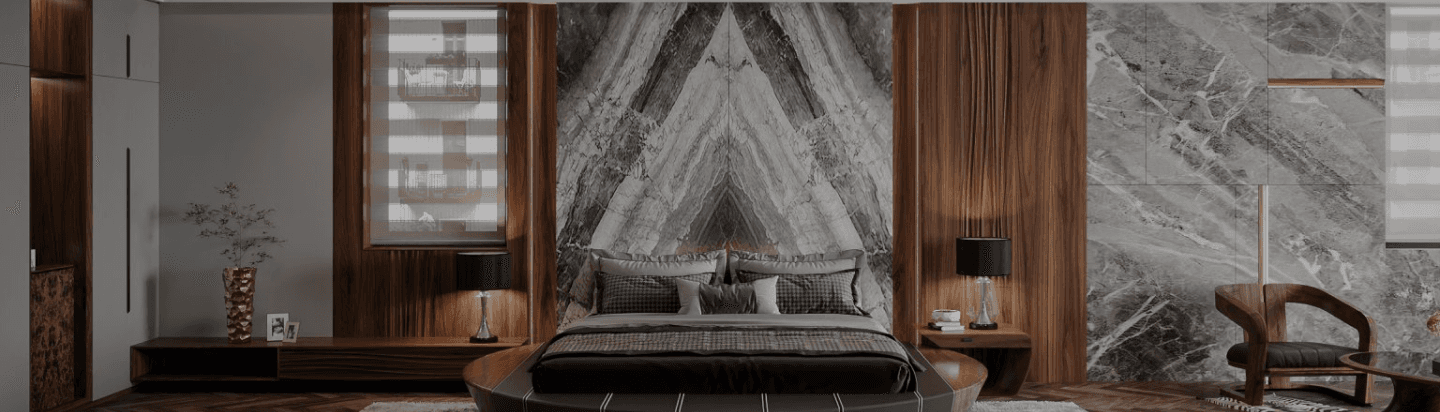
Original character – lasting value
Wood cut from trees varies by species, growing region, position in the stem, and processing. Appropriate selection, drying, construction, and finishing can support long-term interior use. A wood name alone, however, does not guarantee durability, safety, stability, or resistance to insects; each material batch must be assessed for its intended setting.
Long-term structural value
When species, construction, and service conditions are aligned.
Safe when appropriately treated
Adhesives, coatings, and use guidance must be understood.
Naturally individual grain
Variation should be approved through representative samples.
Renewable service value
Care, repair, and refinishing can extend appropriate use.
Transparent origin
Prefer species, batch, and documentation that can be checked.
Appropriate processing
Review drying, machining, construction, and finish together.
Species diversity
Each species and source has a different working range.
Needs-led advice
Begin with space, use frequency, and maintenance capacity.
Core knowledge
Understand how the material is formed and what determines quality before comparing trade names.
Natural wood is produced from suitable parts of a tree, then sawn, dried, selected, and machined into interior components or surfaces. Unlike engineered boards made from fibres, particles, or layered veneers with binders, each solid piece retains its own grain structure and variation. That variation creates visual depth while making moisture control and product construction important.
A species name is only the first layer of information. Tree growth, position within the stem, heartwood and sapwood, sawing direction, defects, drying schedule, storage, assembly, and finishing can all affect the final result. Two pieces sold under the same common name may therefore look and perform differently.
A reliable specification should identify whether the material is solid wood or veneer, its dimensions, acceptable colour and grain range, construction, finish, and service conditions. Trade names and a single attractive photograph are not enough to assess quality or compare quotations.
Each common name is a starting point. A detail link appears only when its route and editorial profile are published.
A source-backed guide to American black walnut, including identification, material behavior, applications, selection and care.
Learn about walnut →
The profile will be linked after species identity and source data are editorially verified.
In editorial review
The profile will be linked after species identity and source data are editorially verified.
In editorial review
The profile will be linked after species identity and source data are editorially verified.
In editorial review
The profile will be linked after species identity and source data are editorially verified.
In editorial review
The profile will be linked after species identity and source data are editorially verified.
In editorial review
The profile will be linked after species identity and source data are editorially verified.
In editorial review
The profile will be linked after species identity and source data are editorially verified.
In editorial review
The profile will be linked after species identity and source data are editorially verified.
In editorial review
The profile will be linked after species identity and source data are editorially verified.
In editorial review
No single classification method answers every design decision.
The most useful classification depends on the question being answered: origin supports identification, appearance supports visual coordination, processing relates to construction, and application groups relate to exposure, load, and maintenance.
These are not legal grades or quality guarantees. A species may fit several groups, and the final decision must still rely on the actual batch and its documentation.
Use scientific names, source regions, and batch records to reduce trade-name ambiguity.
Useful for design, but approve the variation range across several samples.
Compare only when sources and assessment methods are compatible.
Consider cutting, shaping, joining, fastening, and finishing.
Group furniture, cabinetry, surfaces, doors, floors, and details by requirements.
Colour does not establish hardness, and attractive grain does not establish dimensional stability. Record species, material form, dimensions, sample colour, grain direction, construction, and finish separately.
Market availability can affect later repair or extension work, but it is not a quality grade. Broad Vietnamese trade names require species-level verification before technical or conservation claims are published.
A quick comparison of commonly considered characteristics; fields without sufficient evidence are clearly marked for verification.
Swipe horizontally to view more
| Wood type | Typical colour | Grain | Relative hardness | Relative stability | Relative insect resistance | Common applications |
|---|---|---|---|---|---|---|
| Walnut | Light to dark brown heartwood; lighter sapwood | Often fairly straight with possible figure variation | Moderate | Moderate | Needs verification | Furniture, cabinetry, veneer, and interior details |
| Oak | Needs species and source verification | Review a representative sample and precise species identity | Needs verification | Needs verification | Needs verification | Confirm after species, construction, and finish review |
| Teak | Needs species and source verification | Review a representative sample and precise species identity | Needs verification | Needs verification | Needs verification | Confirm after species, construction, and finish review |
| Gõ đỏ (trade name) | Needs species and source verification | Review a representative sample and precise species identity | Needs verification | Needs verification | Needs verification | Confirm after species, construction, and finish review |
| Hương (trade name) | Needs species and source verification | Review a representative sample and precise species identity | Needs verification | Needs verification | Needs verification | Confirm after species, construction, and finish review |
Performance depends on species, material batch, design, processing, and operating environment.
The benefit depends on species, batch, construction, finish, and appropriate service conditions rather than the wood name alone.
The benefit depends on species, batch, construction, finish, and appropriate service conditions rather than the wood name alone.
The benefit depends on species, batch, construction, finish, and appropriate service conditions rather than the wood name alone.
The benefit depends on species, batch, construction, finish, and appropriate service conditions rather than the wood name alone.
The benefit depends on species, batch, construction, finish, and appropriate service conditions rather than the wood name alone.
Define acceptable variation, construction, environment, and maintenance before relying on a general material claim.
Define acceptable variation, construction, environment, and maintenance before relying on a general material claim.
Define acceptable variation, construction, environment, and maintenance before relying on a general material claim.
Define acceptable variation, construction, environment, and maintenance before relying on a general material claim.
Define acceptable variation, construction, environment, and maintenance before relying on a general material claim.
Choose material from function and product construction, not appearance alone.
The same species may be used as solid wood, laminated stock, veneer, or a surface layer. Begin with load, scale, moisture or sunlight exposure, repair needs, and budget before selecting appearance.
Review construction, exposure, finish, cleaning, and maintenance requirements for this application.
Review construction, exposure, finish, cleaning, and maintenance requirements for this application.
Review construction, exposure, finish, cleaning, and maintenance requirements for this application.
Review construction, exposure, finish, cleaning, and maintenance requirements for this application.
Review construction, exposure, finish, cleaning, and maintenance requirements for this application.
Review construction, exposure, finish, cleaning, and maintenance requirements for this application.
Review construction, exposure, finish, cleaning, and maintenance requirements for this application.
Review construction, exposure, finish, cleaning, and maintenance requirements for this application.
Decorative details can show strong grain without overwhelming a space. Large surfaces require control of grain direction, joint rhythm, and colour transitions.
These cards describe application groups and do not represent products for sale. No product link is emitted without a real route and record.
A six-step process turns visual preferences into verifiable selection criteria.
Separate mandatory performance needs, visual preferences, and budget limits. The process below turns an inspiration image into criteria that can be specified and inspected.
Record interior or exposed location, sunlight, heat, moisture risk, and ventilation.
Describe contact, loading, cleaning, and repair expectations.
Approve several large samples under the actual lighting.
Compare material, waste, machining, hardware, finishing, transport, and installation.
Ask how moisture and storage are managed for the project environment.
Use the same dimensions, construction, finish, and acceptance criteria.
These prompts narrow the search but do not replace sample and documentation review.
Review the Vietnamese walnut profile and approve the batch range.
Compare verified oak or ash samples after species review.
Prioritise construction, finish, and repairability.
Review drying, movement allowance, and site conditions.
Use restrained grain rhythm, proportion, and finish.
Assess shaping, joints, and refinishing potential.
Two practical checklists for receiving and everyday use.
A receiving checklist for visual and record review, not a laboratory test method.
Compare the delivered work with the approved sample, specification, and applicable records.
Compare the delivered work with the approved sample, specification, and applicable records.
Compare the delivered work with the approved sample, specification, and applicable records.
Compare the delivered work with the approved sample, specification, and applicable records.
Compare the delivered work with the approved sample, specification, and applicable records.
Compare the delivered work with the approved sample, specification, and applicable records.
Compare the delivered work with the approved sample, specification, and applicable records.
Follow the actual product construction and finish instructions.
Remove the cause early and use only maintenance methods compatible with the finish.
Remove the cause early and use only maintenance methods compatible with the finish.
Remove the cause early and use only maintenance methods compatible with the finish.
Remove the cause early and use only maintenance methods compatible with the finish.
Remove the cause early and use only maintenance methods compatible with the finish.
Remove the cause early and use only maintenance methods compatible with the finish.
Related editorial topics; cards remain unlinked until a real article page exists.
Natural wood guide
A substantive guide topic is prepared in this hub, but no link is emitted until its detail route exists.
No detail page yet
Natural wood guide
A substantive guide topic is prepared in this hub, but no link is emitted until its detail route exists.
No detail page yet
Natural wood guide
A substantive guide topic is prepared in this hub, but no link is emitted until its detail route exists.
No detail page yet
Natural wood guide
A substantive guide topic is prepared in this hub, but no link is emitted until its detail route exists.
No detail page yet
Natural wood guide
A substantive guide topic is prepared in this hub, but no link is emitted until its detail route exists.
No detail page yet
Answers focus on conditional assessment rather than absolute claims.
One-to-one expert guidance
Leave your phone number and a GONOITHAT specialist will contact you to help choose an option suited to your needs and budget.